News Byte – 11.07.2026

By Byte & Block — exploring the building blocks of digital finance.
Today’s Menu
- Circle wins federal trust-bank lane
- North Carolina backs prediction markets
- Bitcoin tests July relief rally

Circle’s Bank Charter Moves USDC Into the Regulated Stack
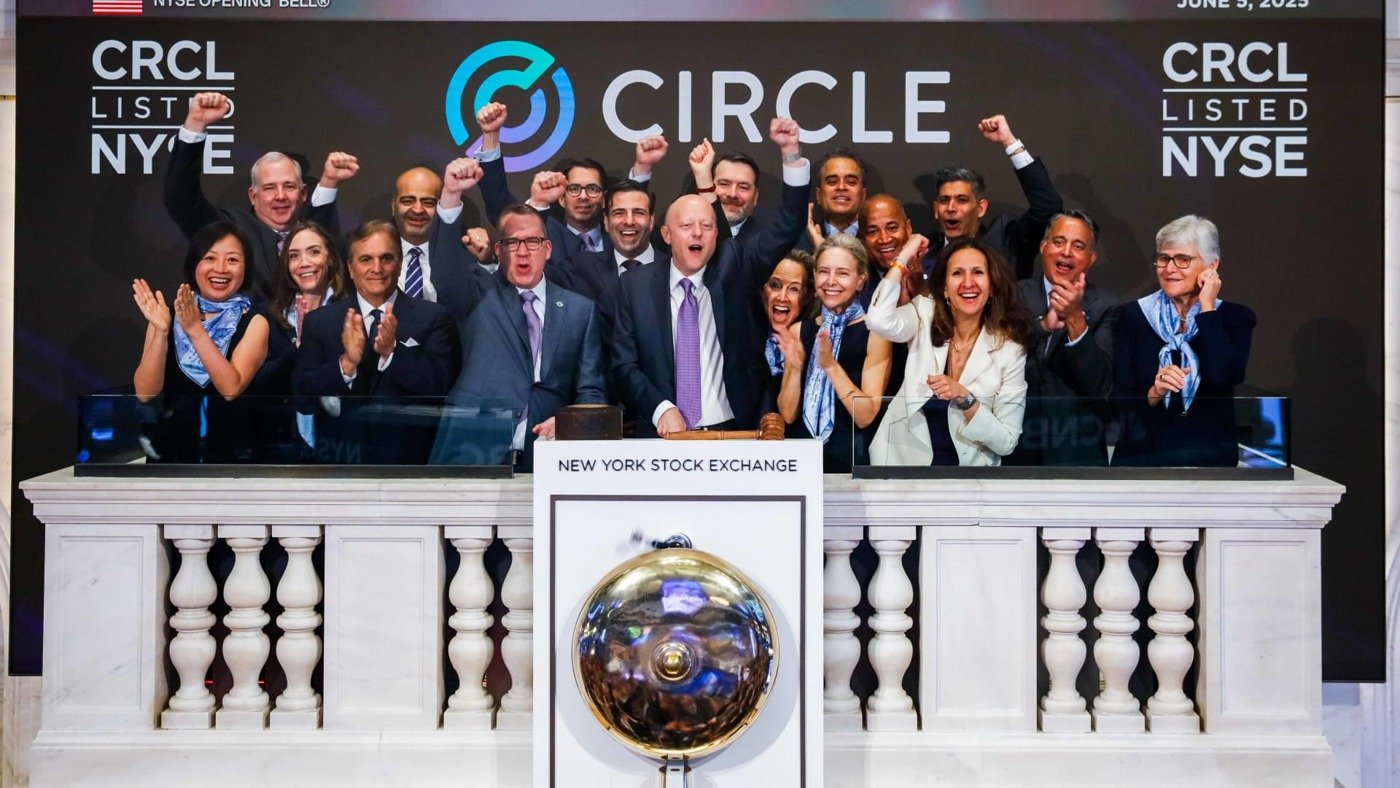
Circle did not just add another license to the trophy cabinet. The OCC approval moves the USDC issuer into the national trust-bank lane, putting Circle National Trust under direct federal oversight and giving the company a cleaner path to custody its own digital-asset infrastructure.
That matters because stablecoin competition is becoming less about who can issue the token and more about who controls the regulated rails underneath it — the same reason we keep coming back to stablecoins as the plumbing of the digital economy.
The stronger angle is infrastructure capture. Circle can now frame USDC less like a crypto product sitting beside the banking system and more like dollar infrastructure with a federal supervisor attached. That matters as stablecoin competition shifts from issuance alone toward custody, reserve management, payment networks, and institutional access.
The charter does not make Circle a deposit-taking commercial bank, and that distinction matters. It does, however, narrow the gap between crypto issuers and the regulated financial stack that banks, custodians, payment firms, and tokenization platforms all want to own.
That is why this feels bigger than one company milestone. The stablecoin race is turning into a race for the boring parts of finance: custody, oversight, reserve control, and trust. Circle just moved deeper into that layer.

North Carolina Gives Prediction Markets a State Template

North Carolina just gave prediction markets something more valuable than another courtroom argument: a state-level template. The new budget language recognizes CFTC authority over federally registered prediction markets and sets a 6% tax on net trading-fee revenue from North Carolina residents, starting in 2027.
That puts Kalshi, Polymarket, and similar platforms in a different bucket from sports betting, where the state tax burden is much higher. The state is not pretending event markets do not exist. It is choosing to tax them and route the core oversight question toward federal market regulation.
The CFTC fight is the legal wrapper around a deeper shift: event markets are another version of programmable agreements replacing middlemen, except now the argument is over whether state gambling regulators or federal market rules get the final say.
That makes the bigger story jurisdiction. Other states have tried to pull event contracts into gambling law, especially around sports markets. North Carolina is choosing the opposite posture: defer to federal market oversight, tax the activity, and make room for legal operation instead of forcing every fight through enforcement.
If that approach spreads, prediction markets get something they badly need: not universal approval, but a clearer map. For a category stuck between finance, gambling, politics, and crypto culture, a map is already a big deal.

Bitcoin’s July Rally Has a 2022 Problem
Bitcoin’s July bounce is not being treated like a clean all-clear. The market is up strongly for the month, but the uncomfortable comparison is 2022, when BTC also rallied hard in July during a bear-market year before giving the gains back through August and September.
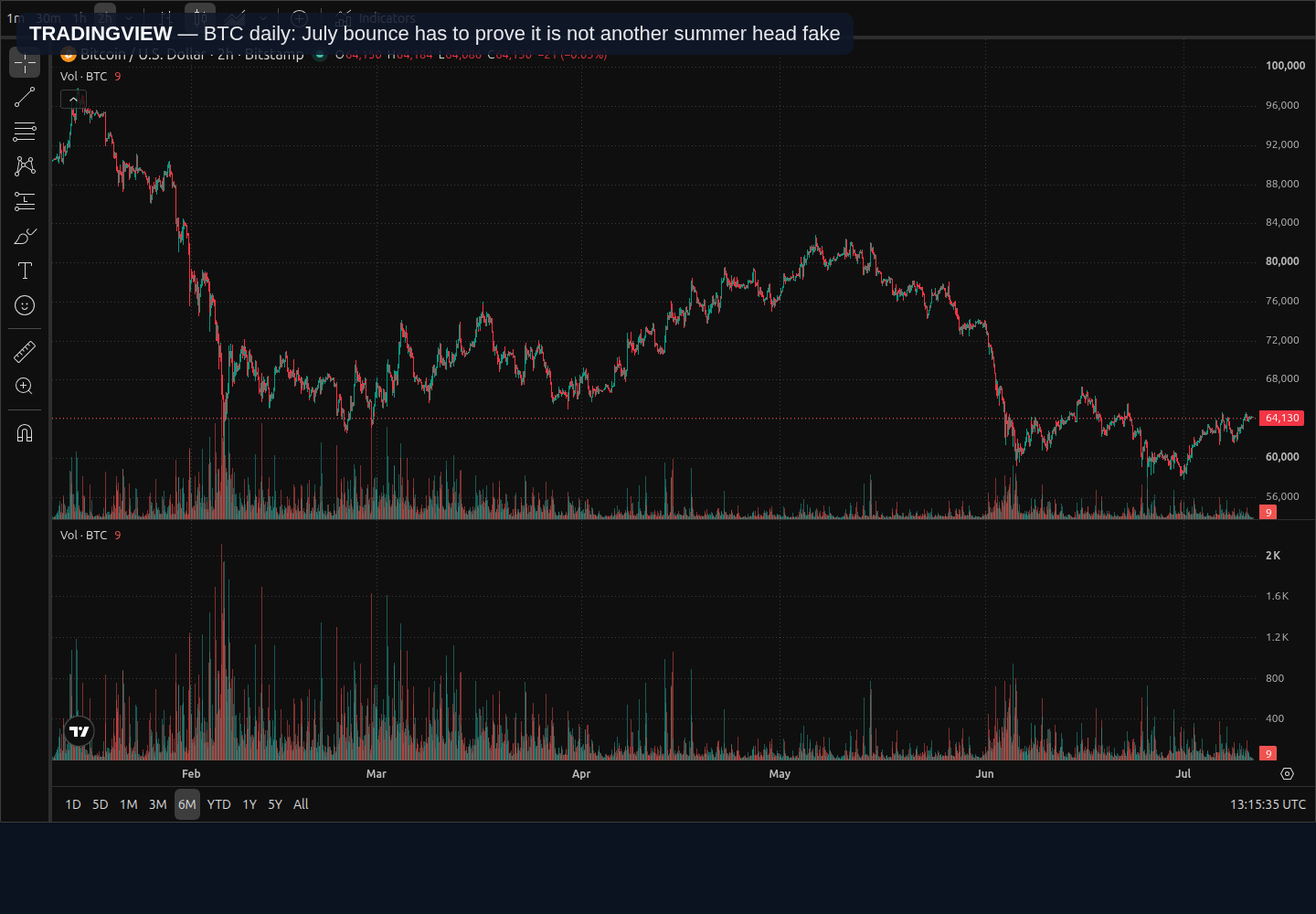
That makes this move less about the size of the bounce and more about whether it is real demand or another summer relief rally. Traders still see room for a push toward the high-$60Ks or $70K area, but Q3 seasonality and thin summer liquidity keep the setup fragile.
The useful framing is not “Bitcoin is bullish” or “Bitcoin is bearish” — it is whether this July strength is a real demand reset or just another chapter in Bitcoin’s old crash-and-rebound pattern.
The risk is follow-through. A bounce can look persuasive when liquidity is thin, shorts are crowded, and buyers only need to push through a few levels. It gets more serious when spot demand keeps showing up after the easy part of the move is over.
For now, July strength has to prove it is not simply recreating the last big bear-market head fake. The chart can rally first. Conviction has to arrive second, and liquidity has to confirm the move.
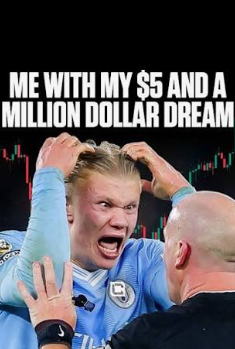
Meme of the day
Follow @byte_and_block for bite-sized insights, or subscribe to the newsletter for deeper dives.
If this helped you cut through the noise, join hundreds of readers who get Byte & Block in their inbox every morning
Subscribe to our newsletter!