News Byte – 02.04.2026

By Byte & Block — exploring the building blocks of digital finance.
Today’s Menu:
- Stablecoins race toward regulatory clarity
- Solana exploit tests DeFi trust
- Fear at 8 tests contrarians


CLARITY Act Stalls, GENIUS Act Moves — Stablecoin Regulation Is a Race With No Finish Line
Washington is finally getting more specific about crypto policy, and that is exactly why the market reaction is getting less simple. Traders are no longer pricing regulation as one giant good-or-bad headline. They are pricing sequencing: which lane gets clarity first, which products stay boxed in, and which business models suddenly look investable before the rest of the market catches up.
Right now, stablecoins look like the lane with the cleanest path to near-term clarity. That matters because money always moves faster when operators can see the rails ahead. If GENIUS advances while CLARITY stays jammed, the market may start repricing the parts of crypto that look easiest to underwrite politically — the same way capital tends to cluster around clearer institutional demand signals.
That is why the yield fight matters so much. Once lawmakers get specific about whether issuers can pass yield through, hold it back, or structure around it, the conversation stops being abstract and starts becoming about winners, losers, and margin pressure. Policy detail is where narrative premiums get built or crushed.
My read: this is not a clean bullish regulation story yet. It is a selective one. If stablecoin rules move first while the wider market-structure package stalls, expect capital to rotate toward the parts of crypto that look easiest to underwrite politically. That is useful, but it is not the same thing as broad clarity. Here’s what matters this week: if lawmakers keep narrowing the stablecoin lane while broader crypto legislation stays stuck, the market will probably keep rewarding the assets and narratives tied to operational clarity first. If that sequencing breaks down, this quickly goes back to being a noisy headline trade instead of a durable policy repricing.

Solana’s $200M Wake-Up Call: Does the Exploit Expose DeFi’s Security Reckoning?
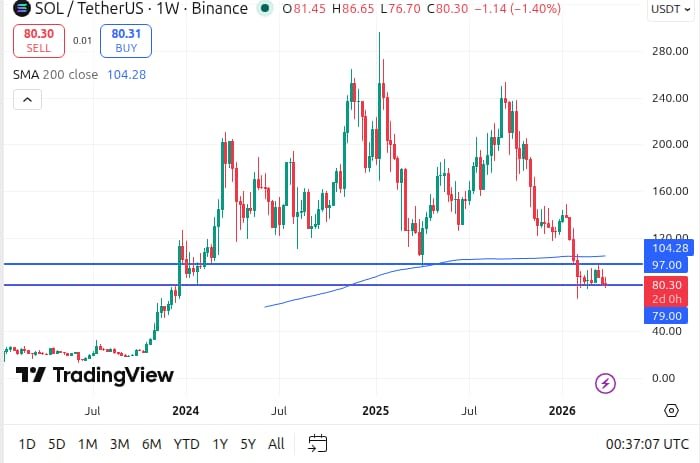
A big exploit is never just about the dollars lost. The real repricing starts when traders decide whether the breach was isolated, operational, or symptomatic. That distinction is what turns a headline into either a temporary dip-buy setup or a wider confidence problem for the whole ecosystem.
What makes this one matter is the trust layer. If users start treating this as more than a one-protocol failure, the real damage won’t be the exploit itself but the wider confidence shock that spreads across the ecosystem.
That is the practical lens for this story. Watch whether liquidity exits selectively or systemically, whether users treat this as one ugly failure or a broader DeFi warning, and whether sentiment damage compounds faster than technical explanations can contain it. Security events become market-structure events when trust decays faster than reassurance lands. This is also why exploit stories travel so differently in crypto than they do in most other markets. The first move is usually emotional, the second move is narrative, and only after that do traders decide whether they are looking at a contained incident or a regime bruise.
My practical read: do not treat this as a pure forensics story. Treat it as a confidence test. If Solana DeFi absorbs the hit and users keep showing up, this becomes a painful but survivable reset. If trust starts leaking across protocols, then the real damage is not the exploit itself — it is the repricing of the ecosystem’s risk premium. That is the line to watch in the days ahead. A contained scare gets forgotten. A confidence crack gets revisited every time price rolls over. The market will tell us pretty quickly which one this is.

Fear & Greed at 8: The Contrarian’s Playbook for Q2 Crypto Picks
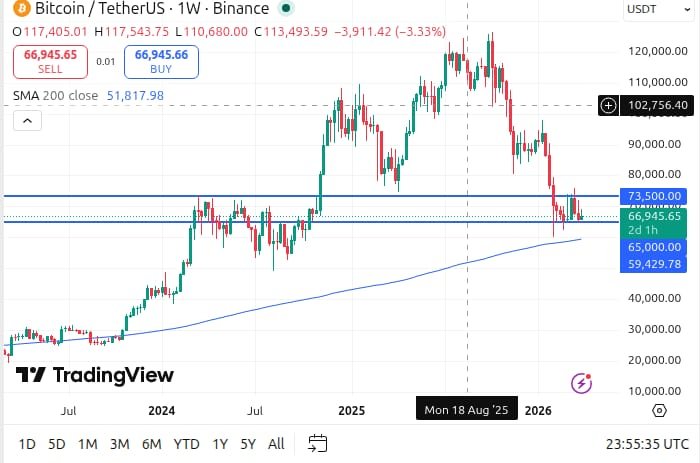
When the Fear & Greed Index prints 8, the story is not just that everyone is scared. The real question is what kind of fear this is. Is it the kind that flushes weak hands and sets up a reflexive bounce, or the kind that briefly pauses before the next leg lower? That difference matters more than the number itself.
Extreme fear only becomes useful when it starts feeding into an asymmetric positioning reset rather than more indiscriminate selling. Panic readings tend to show up near exhaustion points, not necessarily exact bottoms. That is why the smartest contrarian setups usually come from pairing sentiment washout with signs that forced selling is fading and that higher-conviction buyers are starting to re-enter.
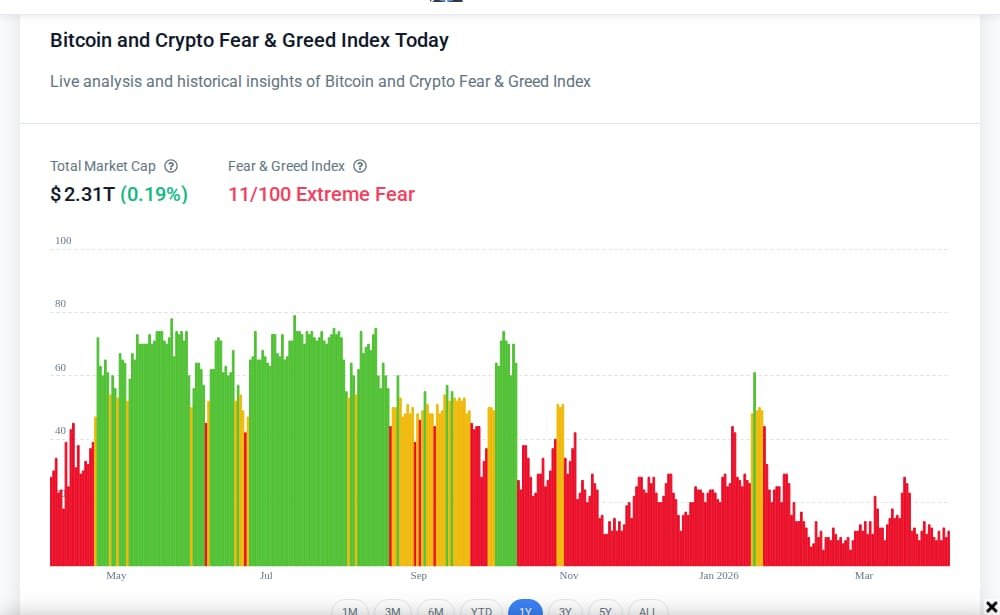
For Q2 positioning, this is the practical frame: do not ask whether fear is high. Ask whether fear is becoming less effective at pushing price lower. If sellers throw everything they have at the market and price still starts stabilizing, that is when contrarian setups get interesting. If every bounce keeps failing instantly, the market is still in punishment mode. That is also why sentiment works best as a timing tool around behavior. Watch whether traders rebuild risk selectively, whether relief rallies hold longer than a few hours, and whether the strongest names stop making lower lows.
My read: Fear at 8 is not a green light. It is a yellow light flashing over a potentially asymmetric setup. If Q2 starts with panic already stretched and downside reactions losing force, contrarians finally have something to work with. If not, this is just another scary number in a market that still wants more pain. Bottom line: the index is useful because it forces a better question. Not is sentiment bad — we know it is. The real question is whether bad sentiment is still driving fresh damage, or whether it is starting to lose control of the tape. That is where the best Q2 entries will come from.
Meme of the day

Follow @byte_and_block for bite-sized insights, or subscribe to the newsletter for deeper dives.
If this helped you cut through the noise, join hundreds of readers who get Byte & Block in their inbox every morning
Subscribe to our newsletter!