

 Telegram Bot
 🧠 Quantum Threats to Bitcoin — What Happens When Supercomputers Learn New Tricks?
By Byte & Block — exploring the building blocks of digital finance.
Quantum computers used to feel like sci-fi — the kind of thing you’d see powering a time machine in a 90s movie.
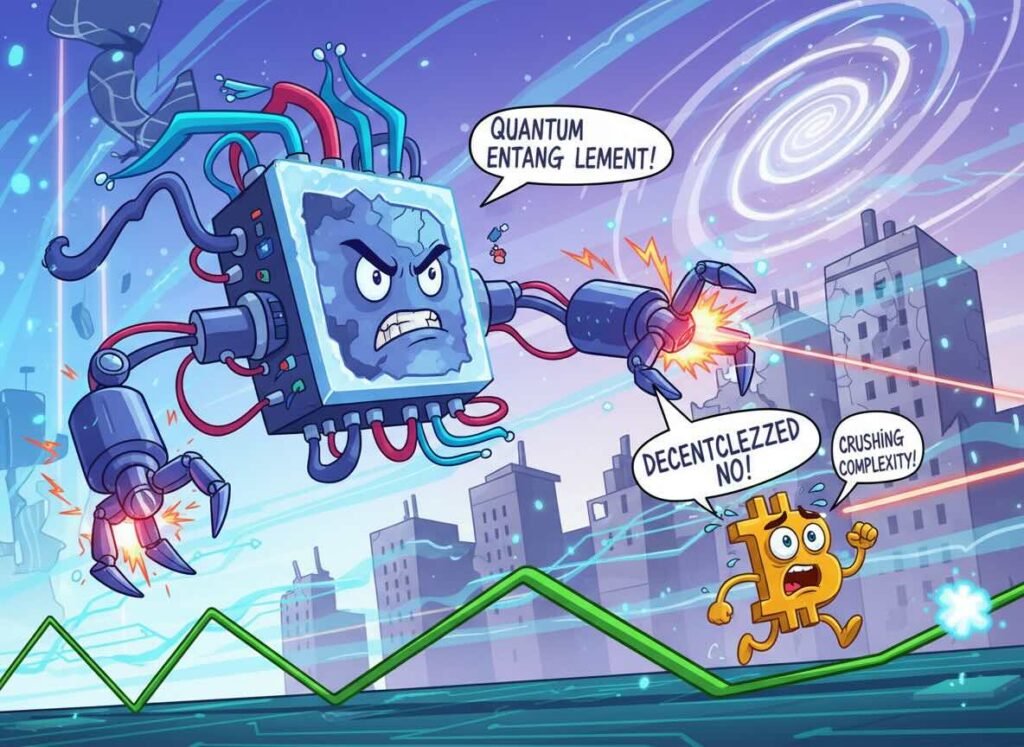
But now they’re real. They’re improving fast. And some cryptographers believe that, within the next couple of decades, these machines could become powerful enough to break the cryptography protecting both Bitcoin and Ethereum.
Is this FUD?
Is this real? 😱
And most importantly — can Bitcoin adapt ×̷̷͜×̷?
Yes. Let’s break it down.
🔐 1. Why Quantum Computers Threaten Bitcoin
AI is powerful… but also hungry.
Bitcoin’s security relies on two big cryptographic primitives:
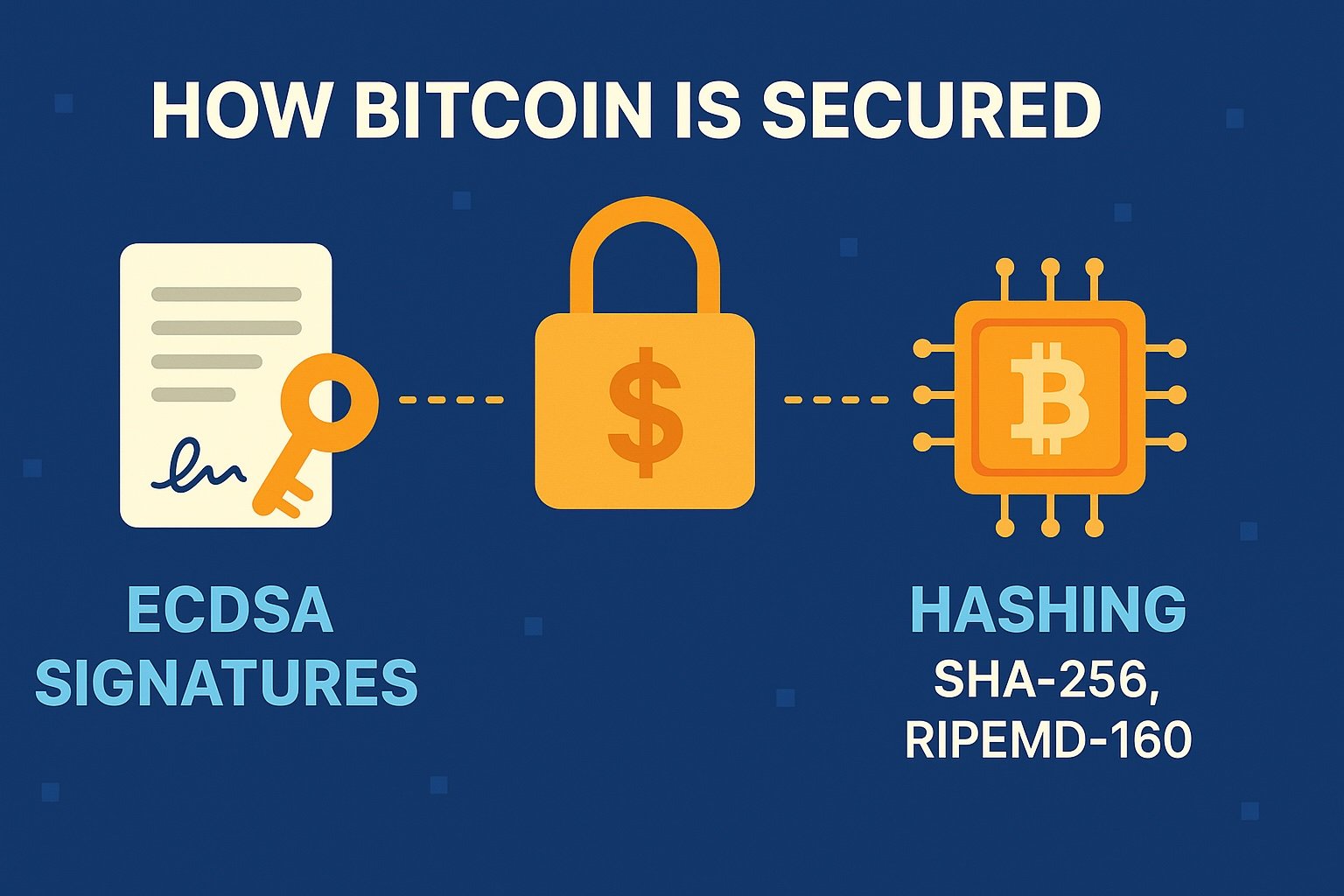
1️⃣ ECDSA signatures
— used to prove you own your private key
— vulnerable to Shor’s algorithm on a strong quantum computer
2️⃣ Hashing (SHA-256, RIPEMD-160)
— far more resistant
— but Grover’s algorithm can speed up some attacks (not break them outright)
The real issue?
If someone has ever seen your public key, they could eventually compute your private key with a powerful quantum computer.
That means:
- address reuse = bad
- old wallets = vulnerable
- Satoshi’s coins = also theoretically vulnerable someday
But here’s the key point:
📌 Bitcoin is NOT “quantum-proof” today — but it absolutely CAN become quantum-proof.
🔄 2. How Bitcoin Can Upgrade to Quantum-Safe Cryptography
This is the part most people misunderstand.
Bitcoin isn’t frozen.
It can upgrade its signature algorithm through:
- a soft fork
- or, if needed, a hard fork
Developers have discussed this for years.
Quantum-resistant cryptography already exists and is standardized:
Leading post-quantum signature algorithms:
- CRYSTALS-Dilithium (NIST standard)
- Falcon (NIST standard)
- SPHINCS+ (hash-based; used by Ethereum researchers)
- XMSS (RFC 8391; forward secure)
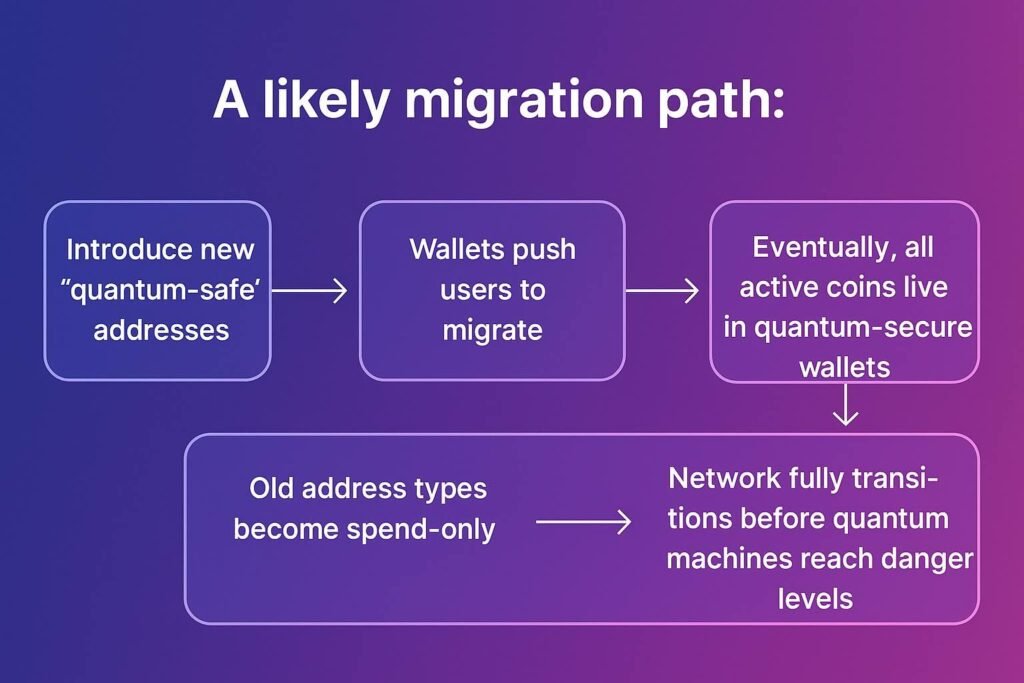
Any of these can replace ECDSA in new address types.
A likely migration path:
🕒 3. But When Do Quantum Computers Actually Become Dangerous?
Here’s where things get spicy — real projects using the combo.
1️⃣ Bittensor — AI, but decentralized and permissionless
Here’s the reality — without hype:
⚠️
Before 2030:
Experts say very unlikely to break Bitcoin.
⚠️
Before 2040:
Possible for some crypto systems, depending on breakthroughs.
✔
Eventually:
Quantum computers will get there. Just not yet.
Even Vitalik Buterin’s recent warning wasn’t about “immediate doom” — it was about starting the migration early, the same way you don’t fix your roof after the storm hits.

🧮 4. The Most Vulnerable Coins Are… Old Ones

Only Bitcoin addresses that have revealed their public key are theoretically vulnerable to future quantum attacks.
Examples:
• Legacy wallets reused for multiple payments
• Dusty old addresses from early miners
• Satoshi-era coins
Most modern BTC sits in hash-protected addresses, where public keys aren’t revealed until spending — much safer.
But eventually, as soon as BTC is spent, the pubkey is exposed.
This is why a full migration plan matters.
🔭 5. What the Bitcoin Dev Community Is Doing About It
There are active discussions across:
• Bitcoin Core mailing lists
• Cryptography researchers
• NIST working groups
• Ethereum’s post-quantum research community
The vibe?
“We have time, but we should prepare now.”
There’s even research on:
• dual-key addresses (ECDSA + PQC backup)
• quantum-resistant multi-sig
• post-quantum Lightning Network channels
• hybrid transactions
This is not an afterthought — it’s an active field.nt.
⚙️ Our Take?

Quantum computing is a legitimate long-term challenge…
…but Bitcoin is far from helpless.
Here’s our stance:
🔥 Bitcoin can upgrade its cryptography.
🔥 Quantum-safe algorithms already exist.
🔥 The risk is real but not imminent.
🔥 A transition plan will emerge well before quantum danger peaks.
The biggest vulnerability isn’t Bitcoin —
it’s people who never update their wallets.
Just like the internet upgraded from HTTP to HTTPS, from SHA-1 to SHA-256, and from RSA-1024 to much stronger standards…
Bitcoin will eventually upgrade too.
This is a marathon — not a midnight apocalypse.
☕️ Byte & Block out.
💬 What’s Next

Up next on Byte & Block:
- “How Smart Contracts Are Eating the Internet”
Follow @byte_and_block for bite-sized insights, or subscribe to the newsletter for deeper dives.
Subscribe to our newsletter!