

 Telegram Bot
 ₿₿💸 How Bitcoin Survives Crises — A History of Every Major Crash and Rebound

A Byte & Block deep dive into Bitcoin’s pain, resilience, and pattern.
⚡️ INTRO — Bitcoin Only Looks Volatile Until You Zoom Out
Every cycle, we hear the same refrain:
• “Bitcoin is dead.”
• “The bubble popped.”
• “This time is different.”
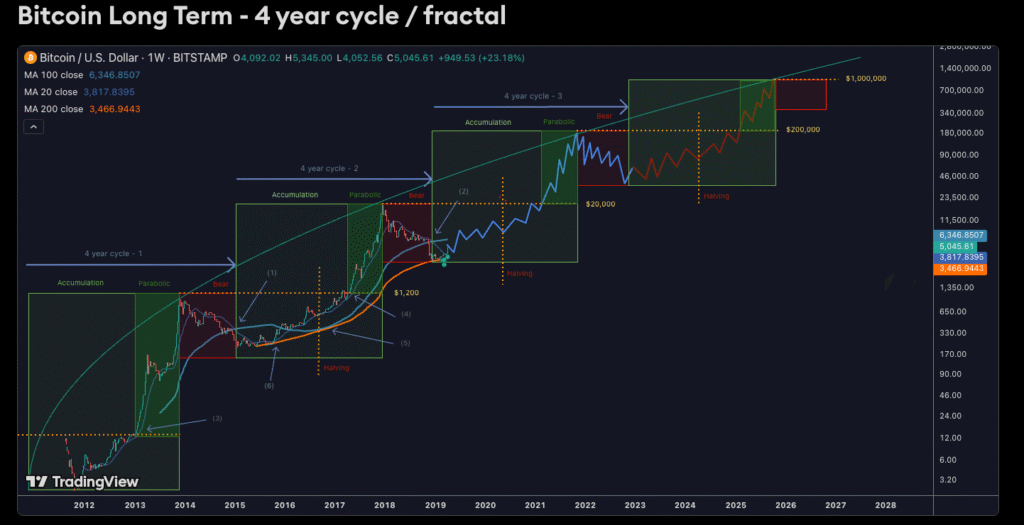
And then, as reliably as sunrise, Bitcoin climbs out of the pit, dusts itself off, and reaches new all-time highs.
Why?
Because Bitcoin isn’t just a price chart — it’s a liquidity machine, a global monetary asset, and (most importantly) an anti-fragile network that grows stronger from stress.
To understand where Bitcoin might go next, you need to understand the crashes that shaped it.
Let’s walk through every major Bitcoin wipeout, what caused it, and how BTC clawed its way back.
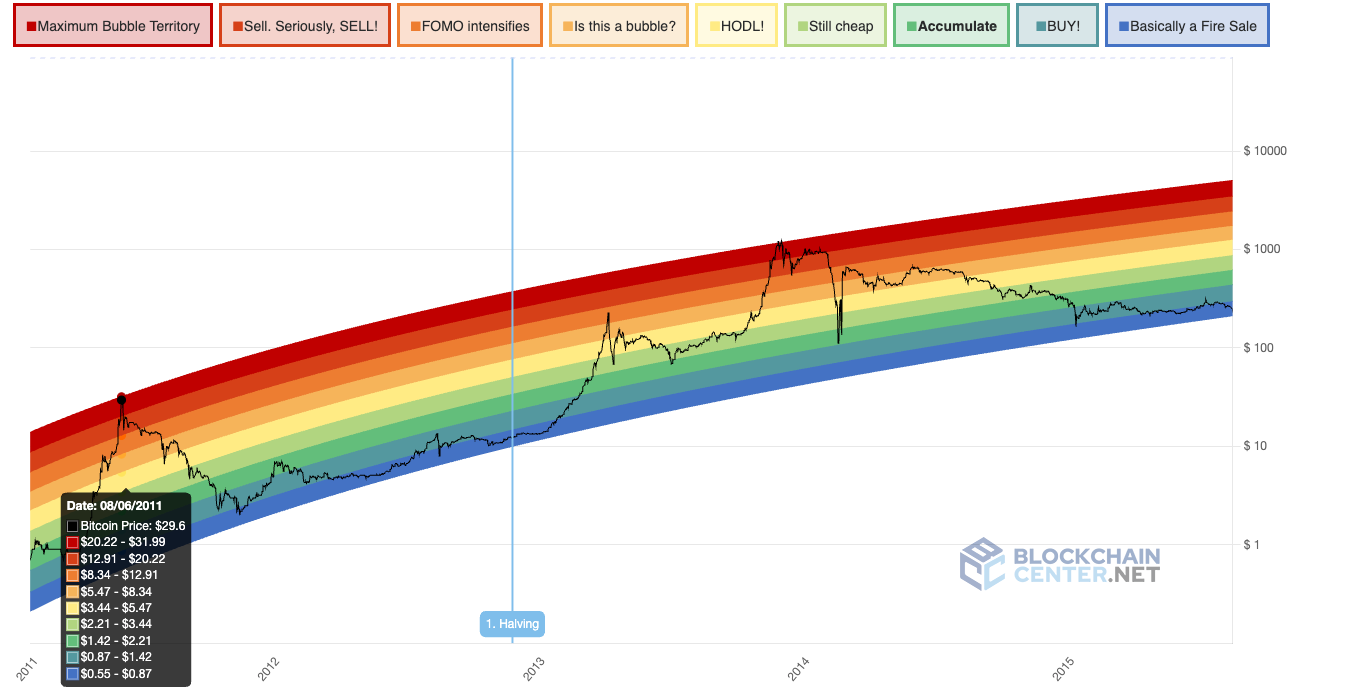
📉 Crash #1 — 2011: The First Bubble & The Mt. Gox Breach
Drop: –94%
Peak → Bottom: ~$32 → ~$2
What happened
- Bitcoin had no liquidity, no institutional presence, no regulation.
- Mt. Gox — handling 90% of global BTC trading — got breached.
- A single point of failure almost brought the entire experiment down.
Why Bitcoin survived
- A small but committed community kept developing.
- Miners didn’t capitulate.
- The protocol worked flawlessly — it was the infrastructure around it that failed.

What this crash taught
Bitcoin wasn’t yet money. It was a prototype with a price.
This is where anti-fragility was born.
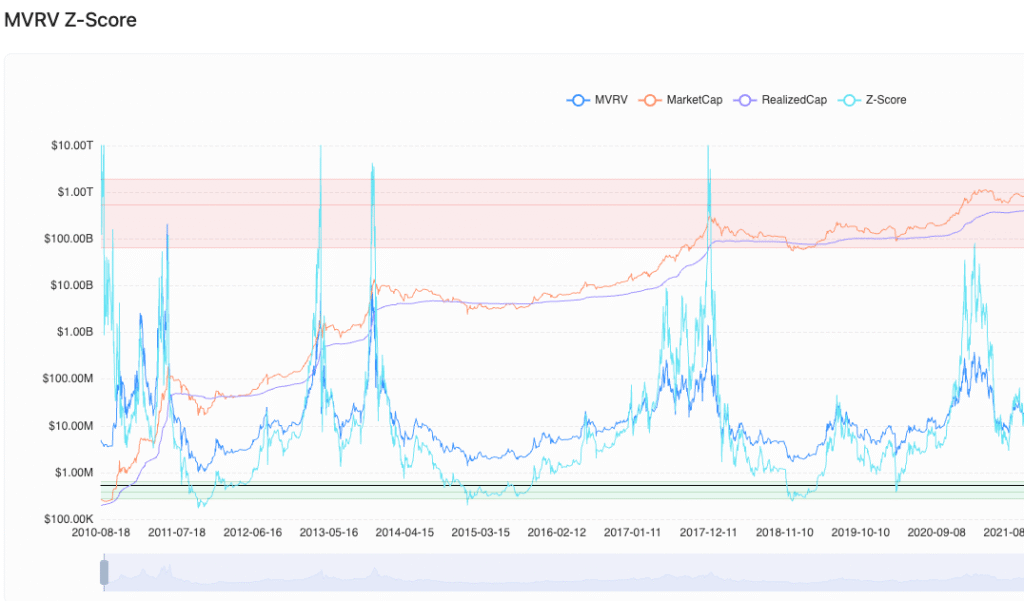
📉 Crash #2 — 2013–2014: Mt. Gox Collapse & The First Real Bear Market
TDrop: –85%
Peak → Bottom: ~$1,150 → ~$150
What happened
- Mt. Gox imploded for good, losing 650,000 BTC.
- Media declared Bitcoin finished.
- China banned exchanges for the first time (not the last).
- Liquidity evaporated.
Why Bitcoin survived
- The first wave of serious developers entered the space.
- New exchanges (Bitstamp, Kraken, eventually Coinbase) emerged.
- Bitcoin proved it had multiple lives.
What this crash taught
Infrastructure failures ≠ protocol failures.
The network kept producing blocks.
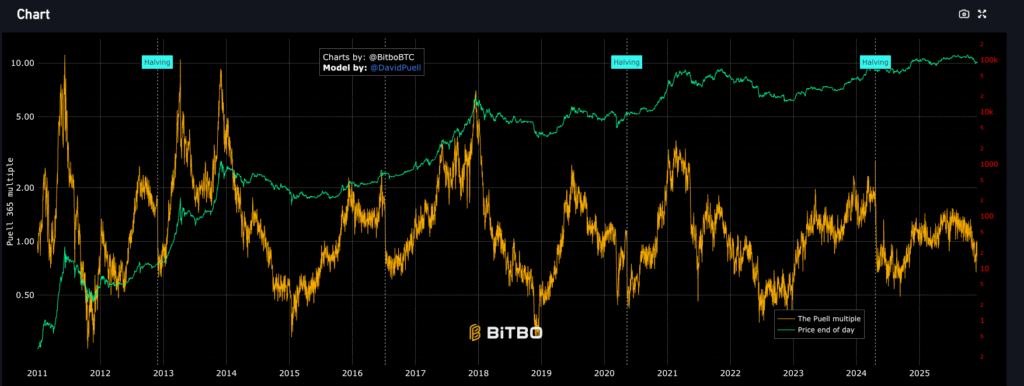
📉 Crash #3 — 2018: ICO Mania Unwinds
Drop: –84%
Peak → Bottom: ~$20,000 → ~$3,200
What happened
• 2017’s ICO bubble burst.
• ETH dumped in tandem as projects sold their treasuries.
• Retail left the market entirely.
• The narrative became “blockchain not Bitcoin.”
What happened
• Lightning Network development accelerated.
• Institutional custody took shape.
• CME futures went live, paving the way for today’s ETF structure.
What this crash taught
Bitcoin isn’t “tech stock number #384.”
It’s a monetary asset, and monetary assets move in multi-year cycles.
📉 Crash #4 — 2020: COVID Panic (The Liquidity Crunch)
Drop: –63% in 24 hours
Peak → Bottom: ~$9,000 → ~$3,800
What happened
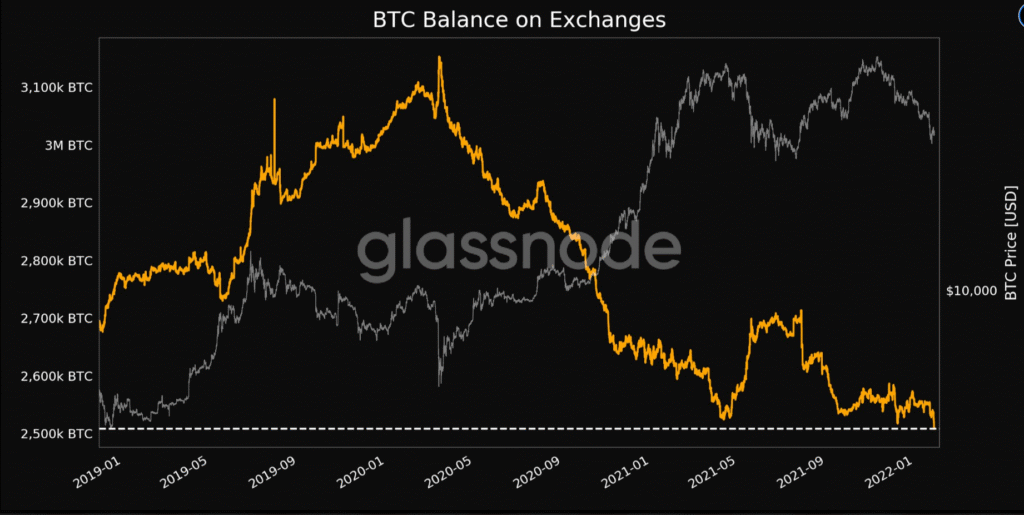
• Global liquidity seized up.
• Everything sold: stocks, gold, bonds, crypto.
• BTC dropped violently with the market.
Why Bitcoin survived
• The Fed injected $3T of liquidity — risk assets rebounded.
• MicroStrategy began buying.
• The “digital gold” narrative ignited.
What this crash taught
Bitcoin is macro-sensitive, not isolated.
Liquidity drives everything.
📉 Crash #5 — 2022: LUNA/UST Implosion + FTX Collapse
rop: –78%
Peak → Bottom: ~$69,000 → ~$15,600
What happened
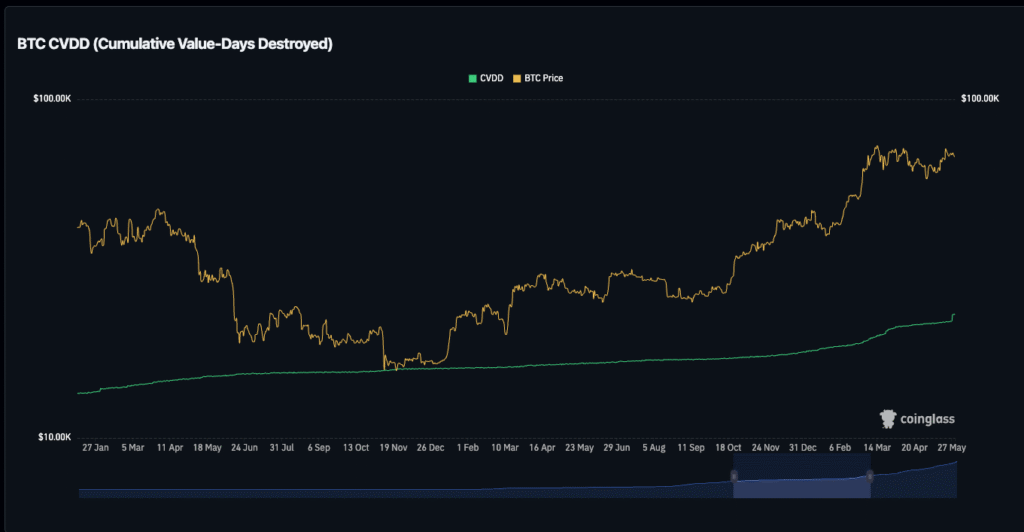
• Terra collapsed → $40B erased.
• Celsius, Voyager, BlockFi fell.
• FTX imploded, taking customer funds with it.
• Institutions fled.
• Miner capitulation surged.
Why Bitcoin survived
• The protocol did not break — centralized companies did.
• Post-FTX building accelerated (ordinals, lightning, ETFs).
• BlackRock, Fidelity, Ark all filed for ETFs shortly after.
What this crash taught
Bitcoin outlasts its villains.
Every collapse strengthens the case for self-custody and decentralization.
📈 THE PATTERN THAT ALWAYS REPEATS
Across every crash, five things happen:
1. Liquidity evaporates → price nukes
2. Weak hands exit
3. Long-term holders accumulate
4. Network fundamentals keep rising
5. Bitcoin makes new highs later
No cycle has ever ended at a lower high than the previous one.
🚀 So Where Are We Now? (2025 Context)
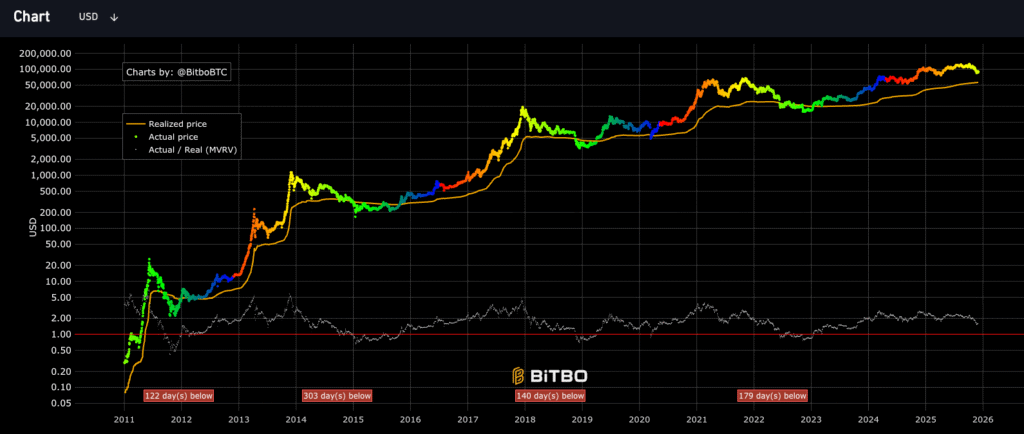
Even after brutal corrections below $90K, Bitcoin today is supported by:
• ETF-demand (stronger than any prior cycle)
• Record-long-term holder supply
• Declining exchange balances
• Macro liquidity expected to improve into 2026
• Institutional adoption accelerating (states, sovereign wealth funds, retirement funds)
Bitcoin’s short-term corrections feel violent.
Bitcoin’s long-term trajectory is astonishingly consistent.
Bitcoin does not die in crashes.
Bitcoin hardens in crashes.
And every time the world declares it finished…
it reappears at a higher floor.
☕️ Byte & Block out.
💬 What’s Next

Up next on Byte & Block:
- “How Smart Contracts Are Eating the Internet”
Follow @byte_and_block for bite-sized insights, or subscribe to the newsletter for deeper dives.
Subscribe to our newsletter!