

 Telegram Bot
 Why Decentralized Infrastructure Will Power the Next Internet
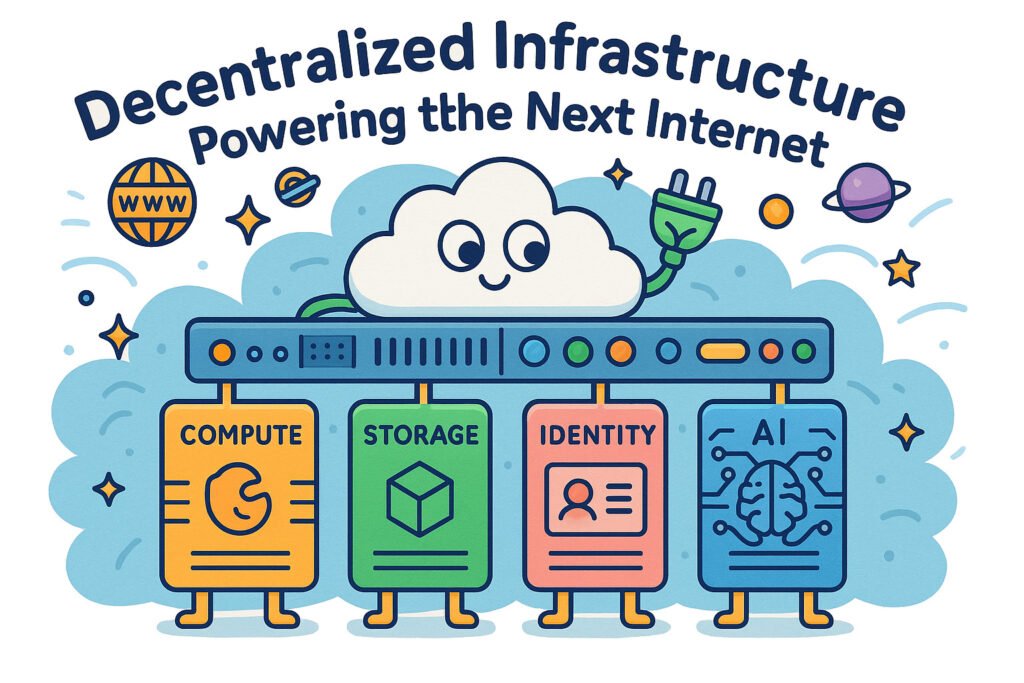
A Byte & Block deep dive into how decentralized compute, storage, identity, and AI are reshaping the digital world.
The internet is getting expensive.
Not for users — for builders.
Every year, a handful of companies tighten their grip over compute, storage, identity, monetization, and distribution. If you want to build anything meaningful online today, you rely on:
• Cloud servers owned by Amazon or Google
• Identity systems owned by Apple or Meta
• Payment rails owned by banks
• Distribution channels controlled by algorithms you don’t manage
• AI models run on hardware only two companies manufacture
It’s not the open web we grew up with — it’s corporate real estate.
And this centralization comes with a predictable price:
higher costs, platform risk, censorship risk, data capture, and the death of permissionless innovation.
So a new movement is emerging — not ideological, but practical:
Rebuild the internet’s infrastructure as decentralized, user-owned, censorship-resistant, and economically sustainable.
This isn’t crypto “tokens.”
It’s the foundation of a new digital economy.
Let’s break down what’s coming — and why it matters.
🌐⛓️ Blockchains Became Settlement Layers, Not Apps
Blockchains were never meant to host millions of users directly.
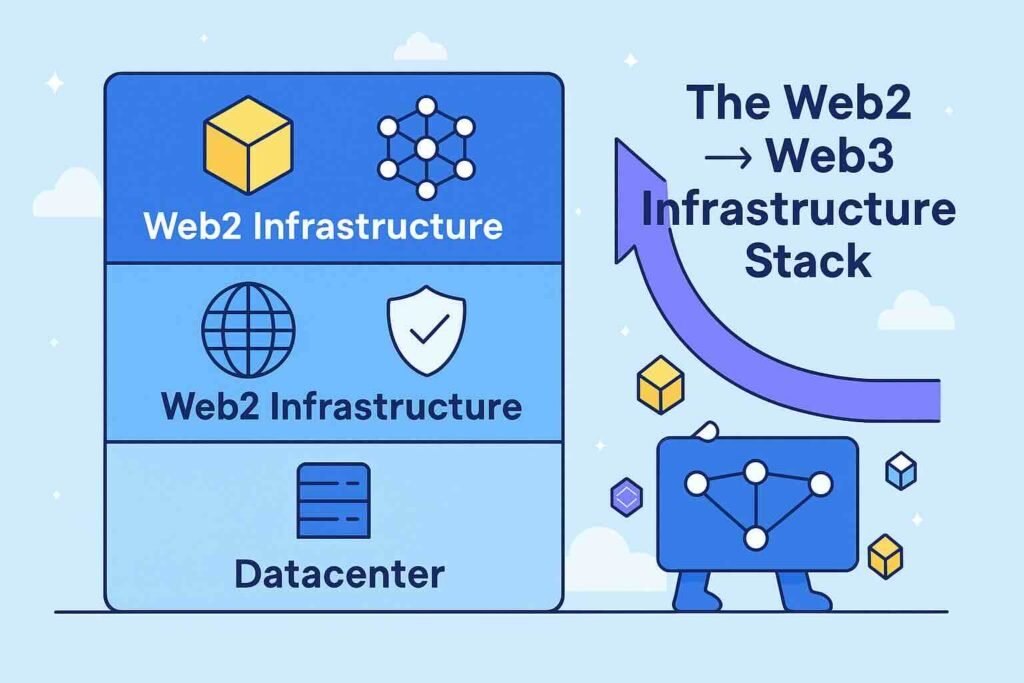
They’re global settlement rails — like Visa, but open-source and programmable.
• Bitcoin → value settlement
• Ethereum → generalized settlement
• Solana → execution + settlement at Web2 scale
This matters because it shifts the narrative:
The chain isn’t the app.
The chain is the court, the payment network, the auditor, and the rulebook.
Everything else is built above it.
As settlement becomes cheaper and faster, decentralized infrastructure becomes viable.
🧮 Decentralized Compute (The Quiet Giant)
Running AI models on AWS?
Serving apps via centralized servers?
Hosting websites on Google Cloud?
All of that is being challenged.
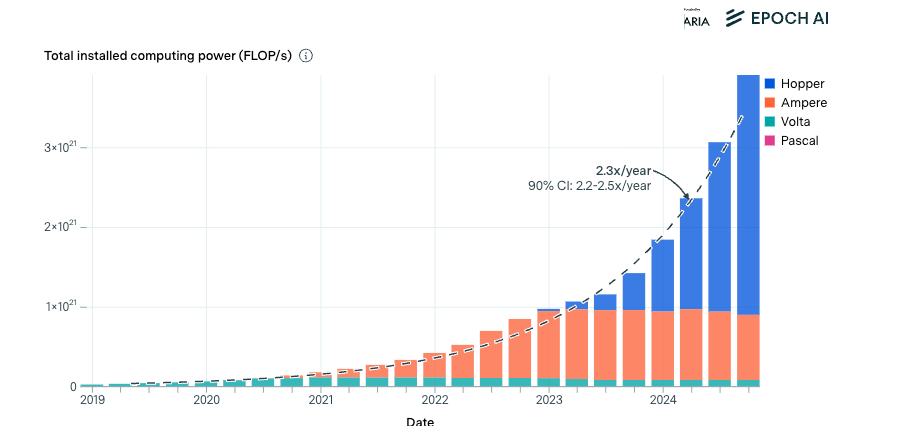
Decentralized compute networks (Render, Akash, IO Net, Gensyn, Grass) are:
• cheaper
• globally distributed
• censorship-resistant
• economically aligned with supply and demand
And most importantly:
They democratize access to GPUs — the new oil.
AI builders stuck behind hardware shortages and high cloud bills suddenly have alternatives.
This is not niche. It’s oxygen.
Decentralized Storage ⛁ and Bandwidth
Cloud storage is a tax.
And decentralized networks (Arweave, Filecoin, Storj, Sia) flipped the model:
• You pay once, data persists forever (Arweave)
• Storage markets become competitive (Filecoin)
• Bandwidth becomes trustless and modular
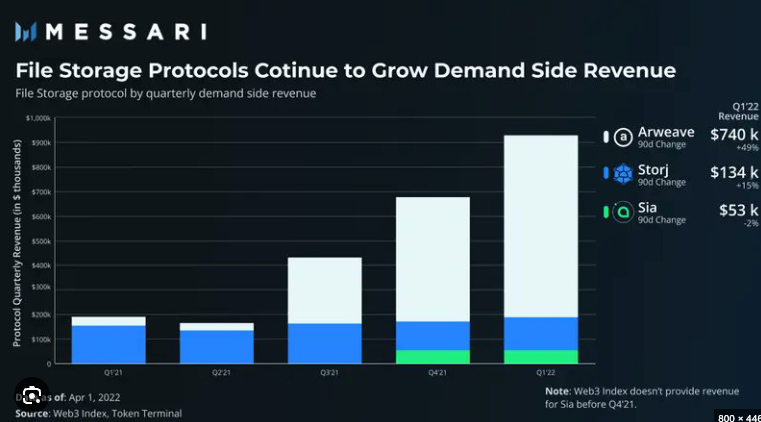
This is not ideological — it’s economic.
Builders care about cost curves, not slogans.
And decentralized storage is winning on cost.
Identity 🪪 Is the Final Boss
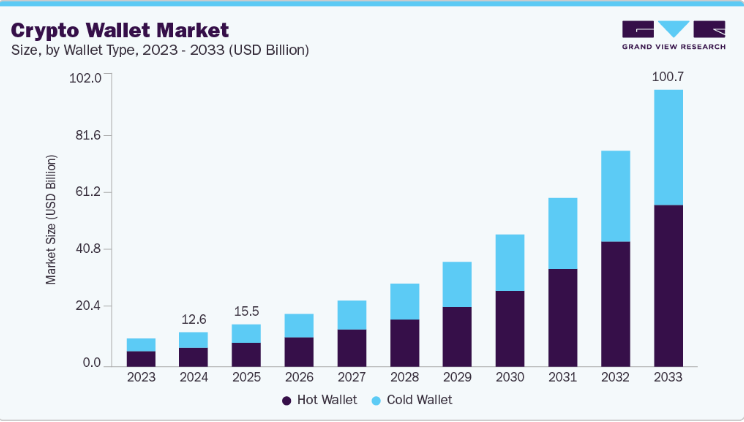
Right now, your identity belongs to:
• Apple
• Google
• Meta
• Microsoft
Lose access?
Your digital life collapses.
Web3 identity flips the model:
• Wallets = accounts
• Credentials = portable
• Permissions = user-controlled
• Data = user-owned
The biggest unlock?
Interoperability.
One identity that works across apps, games, platforms, payments, communities, and financial systems.
This alone can reboot the creator economy.
Payments & Value Transfer 💸 Become Internet-Native
Banking rails were never built for the internet.
Smart-contract payment rails were:
• instant global settlement
• programmable cash flow
• streaming payments
• escrow built into the protocol
• microtransactions with no middlemen
This is why Stripe, Visa, PayPal, and Shopify are integrating crypto rails behind the scenes.
The future of payments is invisible crypto.
AI 🤖 + Crypto ₿ = The New Industrial Stack
AI is powerful but centralized.
Crypto is open but underutilized.
Together, they form the next industrial stack:
• decentralized data markets
• user-owned AI training
• compute networks powered by tokens
• autonomous agents paying each other
• smart-contract governed ecosystems
AI needed an economic layer.
Crypto needed real workloads.
Now they’re merging.
Why All of This Matters
The old internet was built on:
• corporate servers
• corporate identity
• corporate algorithms
• corporate rules
The new internet is being built on:
• decentralized compute
• decentralized identity
• decentralized finance
• decentralized data
• decentralized AI
Not because “centralization is bad.”
But because centralized systems fail at global scale — economically, politically, and architecturally.
We are rebuilding the internet’s backbone so the next generation of builders can create without permission — the way the early internet intended.
This is not a trend.
It’s a correction.
⸻
☕️ Byte & Block out.
💬 What’s Next

Up next on Byte & Block:
- “The Tokenization Boom: How Real-World Assets Are Coming On-Chain”
- “What ETF Flows Really Tell Us About Bitcoin Demand”
Follow @byte_and_block for bite-sized insights, or subscribe to the newsletter for deeper dives.
Subscribe to our newsletter!