

 Telegram Bot
 🍪 Daily Byte – 15.12.2025

By Byte & Block — exploring the building blocks of digital finance.
Today’s Menu:
- Bitcoin Stalls as Year-End Pressure Builds
- XRP ETFs Defy Market Fatigue
- Britain Sets Slow Crypto Rules
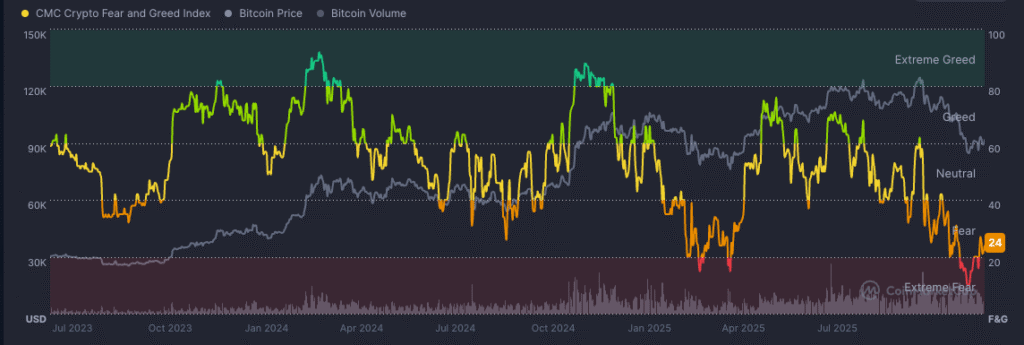
Fear & Greed Index Today

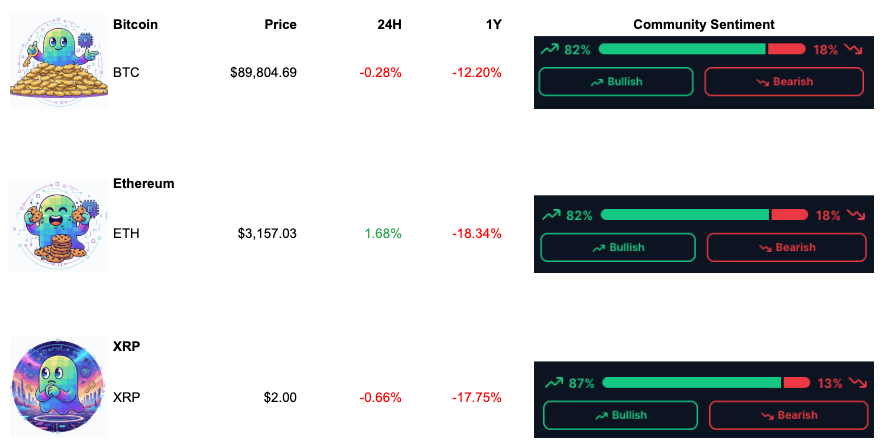
Prices as of 09:00 AM CET

₿ Bitcoin Drifts as Politics, Profit-Taking, and a Holiday Lull Collide
Bitcoin is doing that end-of-year thing again: hovering, hesitating, and irritating everyone who expected fireworks.

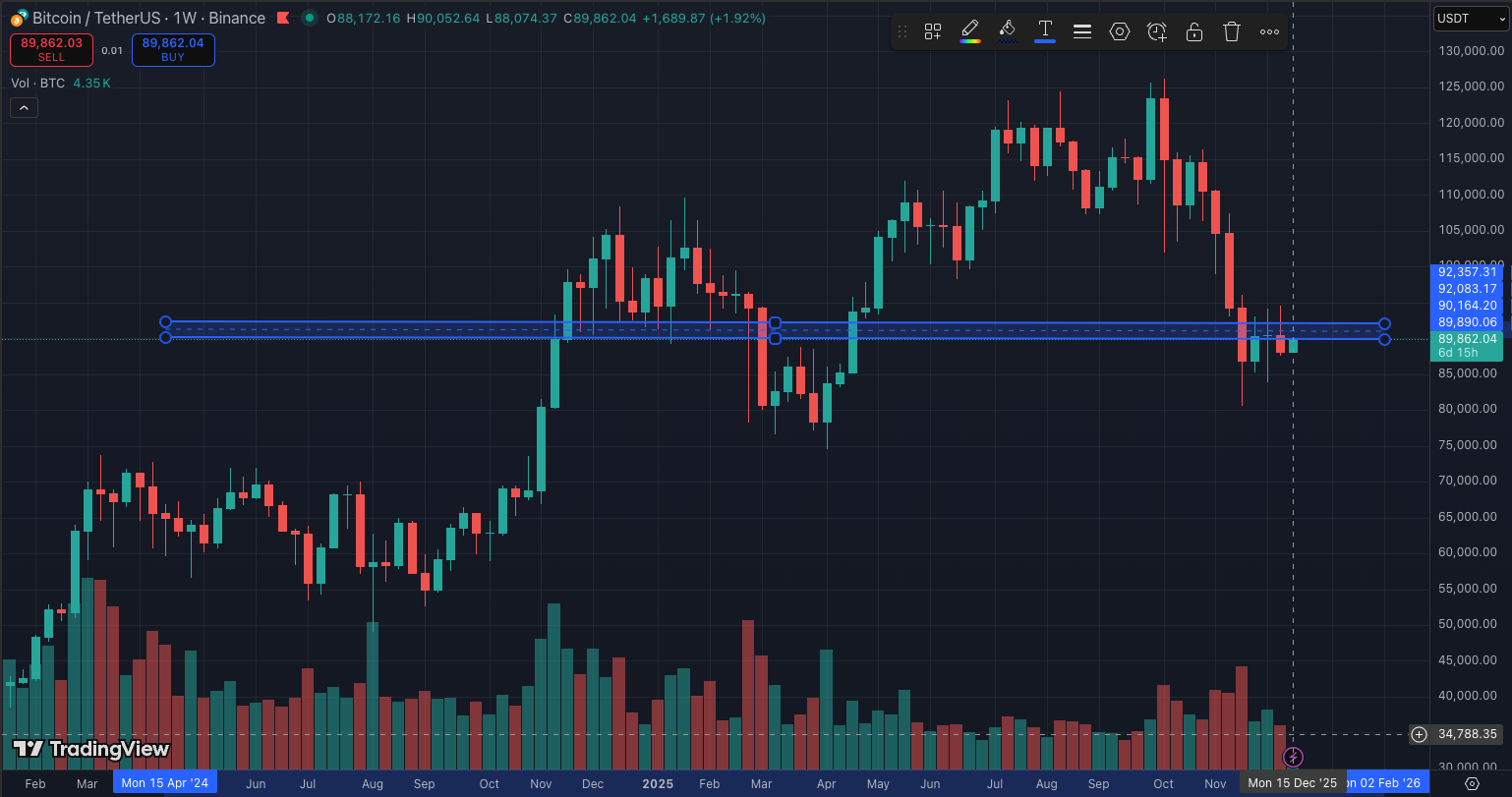
Price has spent the last stretch orbiting the $90K–$92K range, refusing to break higher while also resisting a deeper flush. On the surface, it looks like boredom. Underneath, it’s a tug-of-war between macro nerves, political headlines, and classic year-end positioning.
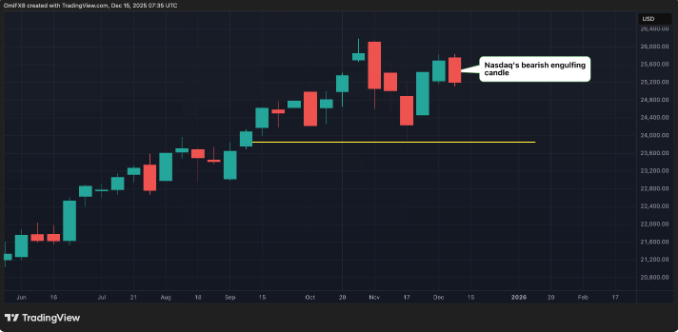
Let’s start with the tape. Selling pressure has picked up as the Nasdaq’s rebound stalls, reviving fears that risk assets may not get a clean December rally after all. If broader equities roll over again, Bitcoin’s downside “check-back risk” creeps toward the low $80Ks — not as a prediction, but as a reminder that correlation hasn’t disappeared just because ETFs exist.
At the same time, holiday liquidity is draining fast. Desks are thin. Volumes are light. That makes every move feel heavier than it really is. What looks like weakness is often just absence of buyers.
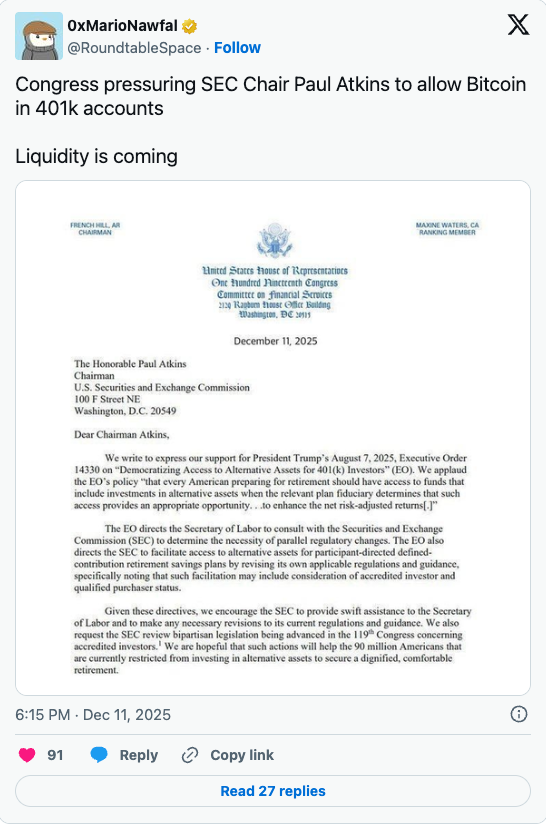
Layer on top the political noise. Reports that U.S. lawmakers are pressuring the SEC to loosen restrictions on Bitcoin exposure inside 401(k) plans briefly sparked optimism — the kind of headline that screams “long-term bullish” but rarely moves price in the moment. Markets aren’t trading policy drafts; they’re trading flows.
And those flows look… tired.
There’s visible year-end profit-taking across majors. ETH, SOL, and ADA all slid as traders locked in gains rather than swing for one last rally. This isn’t panic selling — it’s accounting. Funds don’t get paid for bravado in December.
Zooming out, the picture becomes clearer. Bitcoin isn’t breaking because there’s no fresh catalyst strong enough to overcome seasonality and positioning. But it’s also not collapsing because structural demand — ETFs, corporate treasuries, and long-term holders — continues to absorb dips quietly.
This is the uncomfortable middle ground markets hate: no drama, no trend, just patience being tested.
Byte & Block’s takeaway:
Bitcoin stalling near $90K isn’t a failure — it’s a pause shaped by thin liquidity, year-end bookkeeping, and macro hesitation. The fight isn’t between bulls and bears right now. It’s between boredom and discipline.
XRP ETFs Quietly Do What Bitcoin Won’t
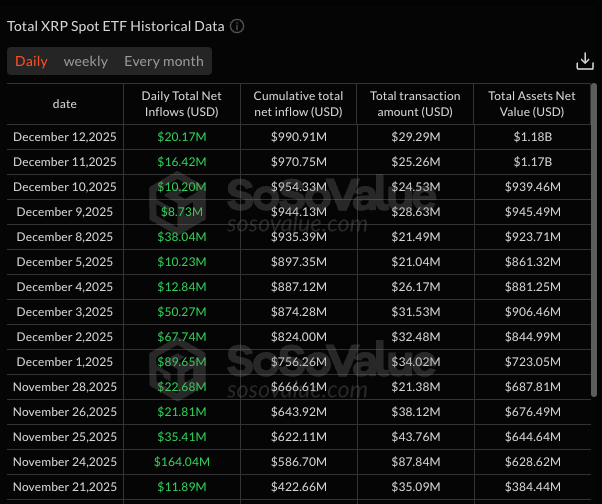
While Bitcoin and Ethereum ETFs catch their breath, something unusual is happening in a quieter corner of the market: XRP spot ETFs just logged a 30-day inflow streak.
That divergence matters.
XRP-focused products have attracted steady capital even as flows into BTC and ETH ETFs wobble. This isn’t retail mania. It’s slow, persistent allocation — the kind that rarely trends on social feeds but shows up clearly in fund data.
Why XRP? Part of it is positioning. With Bitcoin stuck in a range and ETH weighed down by broader risk-off sentiment, some investors appear to be rotating into assets with idiosyncratic narratives. XRP’s long-running legal clarity in the U.S. — especially compared to many other altcoins — gives institutions something they value deeply: fewer regulatory unknowns.
There’s also a structural angle. XRP products offer exposure to a network pitched less as “digital gold” and more as payments infrastructure. For allocators trying to diversify crypto exposure beyond Bitcoin beta, that distinction matters.
This doesn’t mean XRP is about to steal the spotlight from BTC. But it does highlight a shift in behavior: capital is no longer moving as a single herd. Even within ETFs, differentiation is back.
Byte & Block’s takeaway:
When Bitcoin ETFs stall and XRP ETFs keep pulling in cash, it’s a reminder that crypto flows are fragmenting. The era of “everything follows BTC” is slowly giving way to selective conviction.
Britain’s Crypto Rulebook Is Coming, Just… Slowly
The UK has finally put a timeline on crypto regulation — and it’s not exactly fast.
Britain plans to roll out a comprehensive crypto regulatory framework under the Financial Conduct Authority starting in 2027. That’s not a typo. Two years away.
On one hand, this is progress. The UK has spent years signaling ambition to become a digital-asset hub while offering little concrete clarity. A defined roadmap, even a slow one, gives firms something to plan around.
On the other hand, the delay speaks volumes. By the time Britain’s framework goes live, Europe will have years of MiCA enforcement under its belt, and the U.S. will likely have clarified large parts of its own approach through enforcement, legislation, or both. The UK risks arriving late to a party that’s already found its rhythm.
Still, the tone matters. Treasury officials emphasize integration, consumer protection, and supervision — not prohibition. That suggests the UK wants crypto inside the financial system, not exiled from it.
For builders and institutions, the message is mixed but readable: clarity is coming, patience required.
Byte & Block’s takeaway:
Britain isn’t rejecting crypto — it’s slow-walking it. In a global race for capital and talent, regulation delayed is influence deferred.
Meme of the day

Follow @byte_and_block for bite-sized insights, or subscribe to the newsletter for deeper dives.
If this helped you cut through the noise, join hundreds of readers who get Byte & Block in their inbox every morning
Subscribe to our newsletter!