

 Telegram Bot
 🍪 Daily Byte – 10.12.2025

By Byte & Block — exploring the building blocks of digital finance.
Today’s Menu:
- Bitcoin Holds Ahead of Fed
- U.S. Approves Riskless Crypto
- IMF Flags Stablecoin Risks
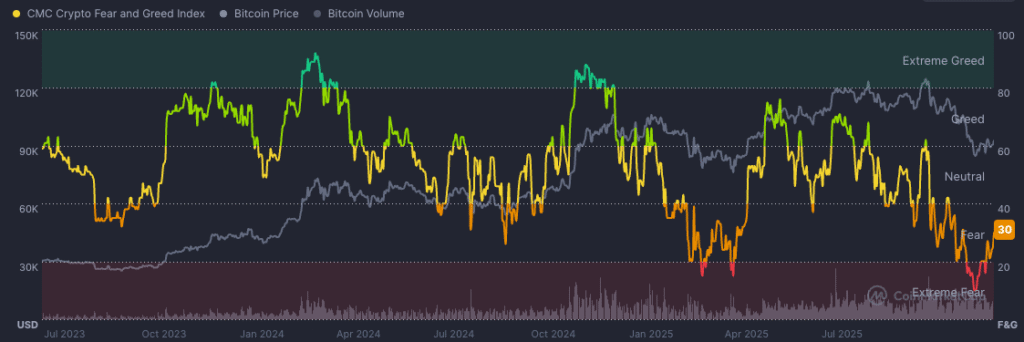
Fear & Greed Index Today

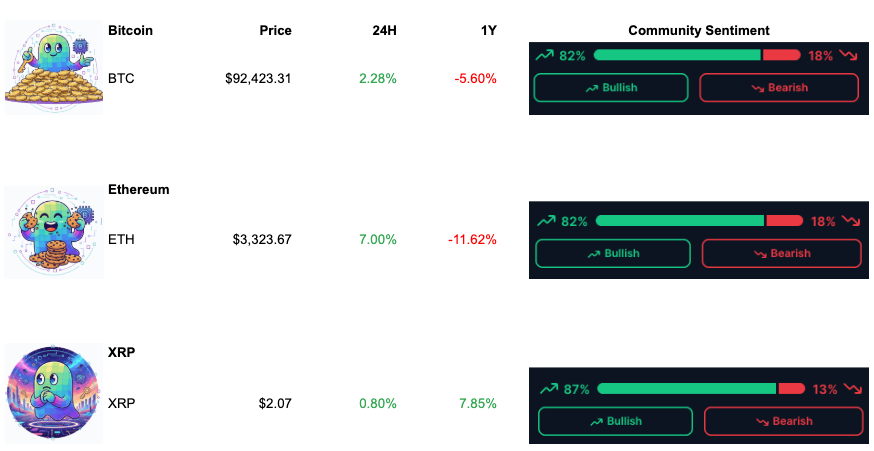
Prices as of 09:00 AM CET

₿ Bitcoin Holds the Line Near $92K as Selling Finally Cools — But Real Demand Is Still Missing
Bitcoin spent the past 24 hours doing a convincing impression of a tranquilized elephant: heavy, slow, and stubbornly stuck around the $92K mark. After days of relentless selling pressure, the bleeding finally eased — but “not dumping” is not the same as “recovering,” and the market knows it.

With the Fed’s rate decision dropping later today, both crypto and equities moved into classic pre-FOMC freeze mode. Asia opened risk-off: stocks softened, BTC cooled, and traders pulled back from anything that looked remotely volatile. Everyone’s waiting for Powell to either open a liquidity door… or slam it shut.
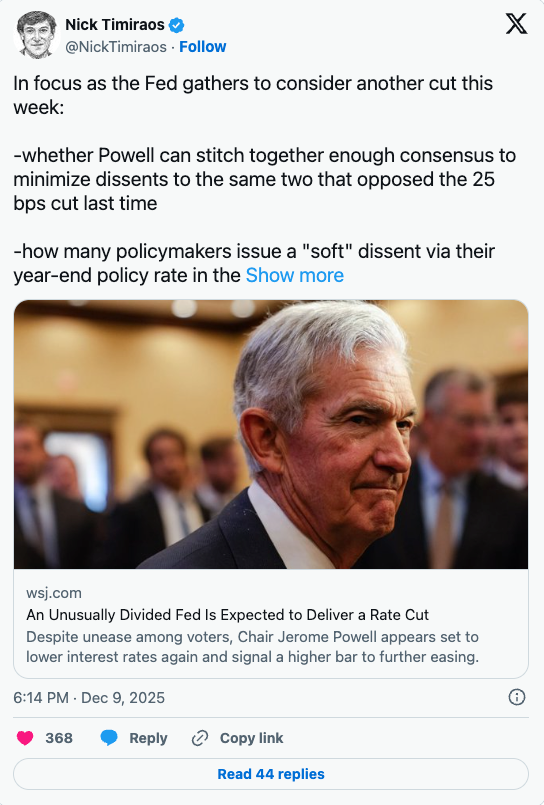
The expectation? A rate cut.
The trade? Nobody wants to front-run it.
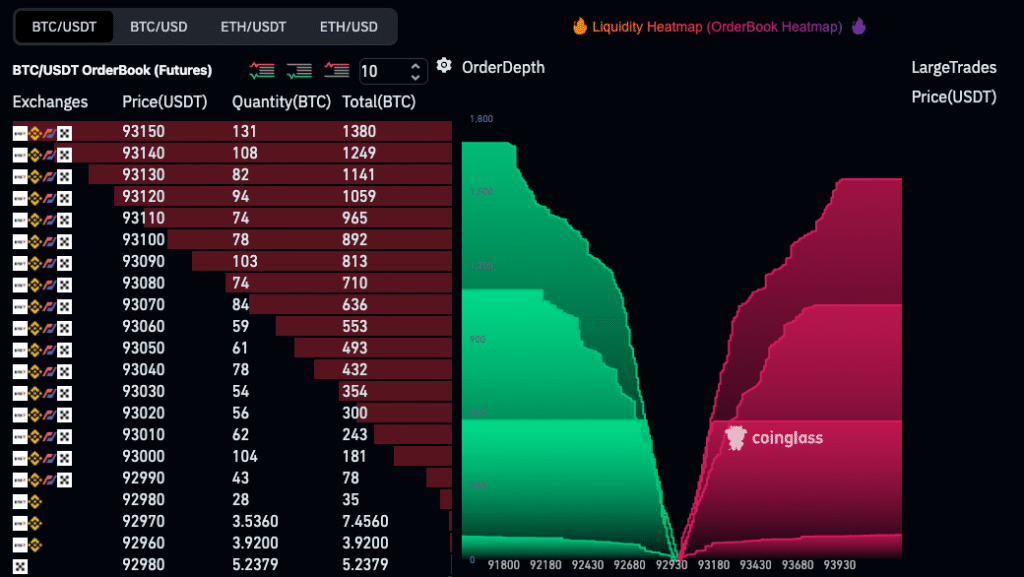
On-chain, the atmosphere is slightly better — but only slightly. Selling has slowed, yes, but fresh demand is nowhere near where it needs to be for a meaningful move higher. Bitcoin’s order books remain thin, liquidity pockets are soft, and spot markets show a market that’s stabilizing, not strengthening.
ETH, SOL, and ADA pulled back as well, all following the same script: no panic, just no buyers. The market is in defensive mode across the board, rotating into stablecoins and waiting for the macro dust to settle.
Still, there are a few bright points:
1. Forced selling appears mostly done.
Derivatives liquidations — the nasty kind — have cooled dramatically.
2. Net outflows from exchanges slowed.
Long-term holders aren’t rushing for exits; they’re just not stepping in yet.
3. Funding and open interest remain clean.
Translation: when demand returns, the market won’t need to fight through leverage clutter.
But here’s the real story: Bitcoin isn’t getting crushed — it’s waiting.
This isn’t fear. This isn’t capitulation. It’s a market holding its breath while the macro gods whisper behind closed doors.
If the Fed delivers the rate cut everyone expects and signals easing into 2026, Bitcoin gets tailwinds. If Powell hedges, delays, or shrugs, BTC could be stuck grinding in the low-90s until new catalysts emerge.
For now, Bitcoin is steady — not happy, not bullish, just steady.
Sometimes that’s the most important signal of all.
🇺🇸 U.S. Banks Just Got Permission to Offer “Riskless” Crypto Trading — And That’s a Bigger Deal Than It Sounds
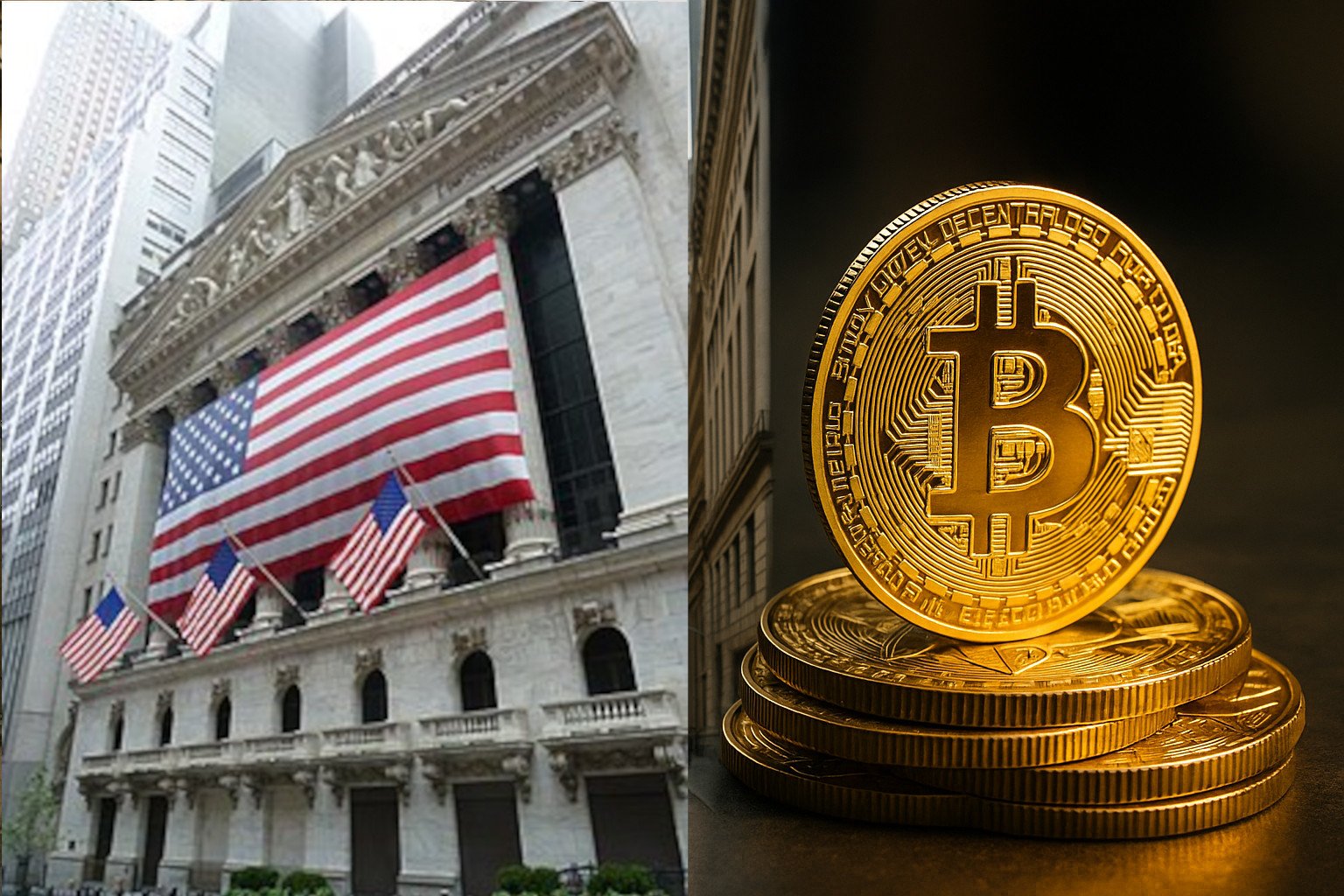
Here’s a quiet headline with loud implications: U.S. federal regulators have officially approved a framework allowing banks to offer “riskless” crypto trading services — meaning they can execute customer trades without taking crypto risk onto their own balance sheets.
If that sounds small, it isn’t.
One of the biggest blockers for U.S. banks wasn’t technology — it was compliance terror. They didn’t want to touch digital assets if it meant price exposure, capital requirements, or balance-sheet volatility. This ruling gives them an escape hatch: handle client orders, stay flat, avoid regulatory nightmares.
Practically, this unlocks:
- Banks routing crypto trades the same way they route FX
- Institutions offering compliant BTC/ETH exposure to clients
- Brokerages integrating crypto rails without holding assets
- A legal wrapper Wall Street can actually live with
The timing is interesting. Liquidity is thin, the market is jittery, and demand is soft — yet regulators chose now to make the most traditionally conservative institutions eligible to route crypto flows.
Byte & Block angle?
Banks aren’t “embracing crypto” — they’re setting the table.
And when banks set the table, money eventually shows up.
IMF 🏦 Warns Stablecoins Could Threaten Emerging Markets — Experts Say: Relax, Not Yet
IMF Warns Stablecoins Could Threaten Emerging Markets — Experts Say: Relax, Not Yet
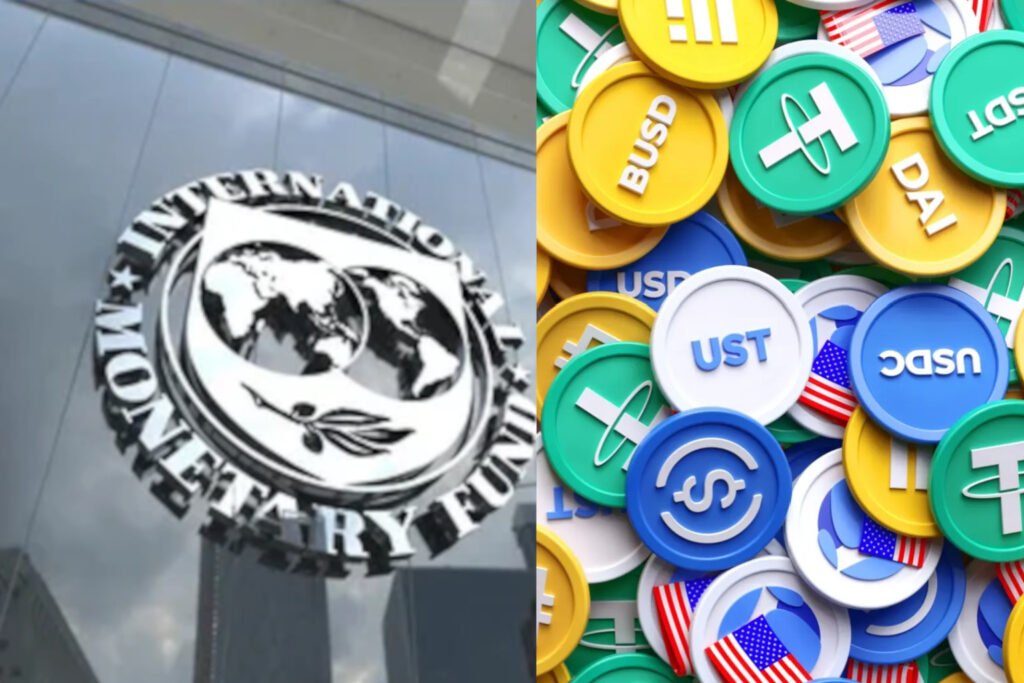
The IMF dropped a fresh warning this week, flagging stablecoins as a potential risk to emerging markets — particularly those with weaker currencies or fragile capital controls. The fear is simple: if citizens start using USDC, USDT, or regional stablecoins instead of local money, governments lose monetary control.
But here’s where the debate gets spicy.
Several economists immediately pushed back, arguing the IMF is projecting a future that isn’t here yet. Stablecoin adoption in emerging markets is growing — yes — but not at a scale that destabilizes national currencies. For now, stablecoins act more like pressure valves: tools for remittances, savings, and escaping inflation, not mechanisms for currency collapse.
Still, the IMF concern isn’t coming from nowhere. Some governments already see stablecoins as “shadow dollars,” and rising on-chain usage does create political tension.
What’s really happening is simpler:
Stablecoins are becoming useful.
And useful things usually become powerful.
Byte & Block angle?
The IMF isn’t wrong — they’re early.
Stablecoins aren’t breaking economies today… but they’re quietly rewriting how money moves tomorrow.
Meme of the day

Follow @byte_and_block for bite-sized insights, or subscribe to the newsletter for deeper dives.
If this helped you cut through the noise, join hundreds of readers who get Byte & Block in their inbox every morning
Subscribe to our newsletter!