
 Telegram Bot
 🍪 Daily Byte – 01.12.2025

By Byte & Block — exploring the building blocks of digital finance.
Today’s Menu:
- Bitcoin dropped to 86k
- Nasdaq Tokenized stocks
- Tether S&P downgrade
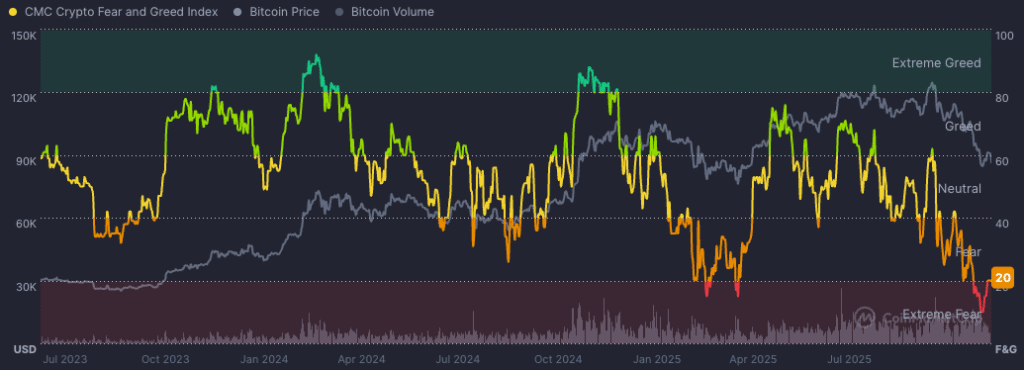
Fear & Greed Index Today

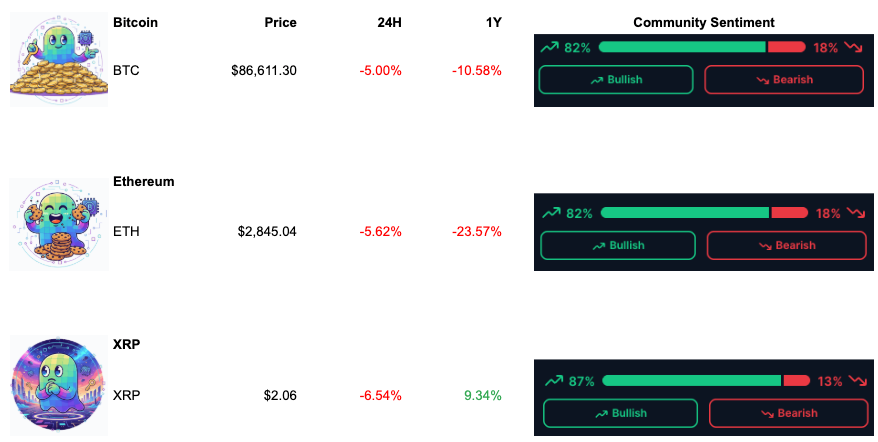
Prices as of 09:00 AM CET

₿ Bitcoin Crashes to $86 K Overnight Amid Risk-Off & Liquidity Fears
Bitcoin took a harsh hit overnight, plunging to around $86,000 — a level not seen in months and one that erases much of the 2025 rally’s gains.
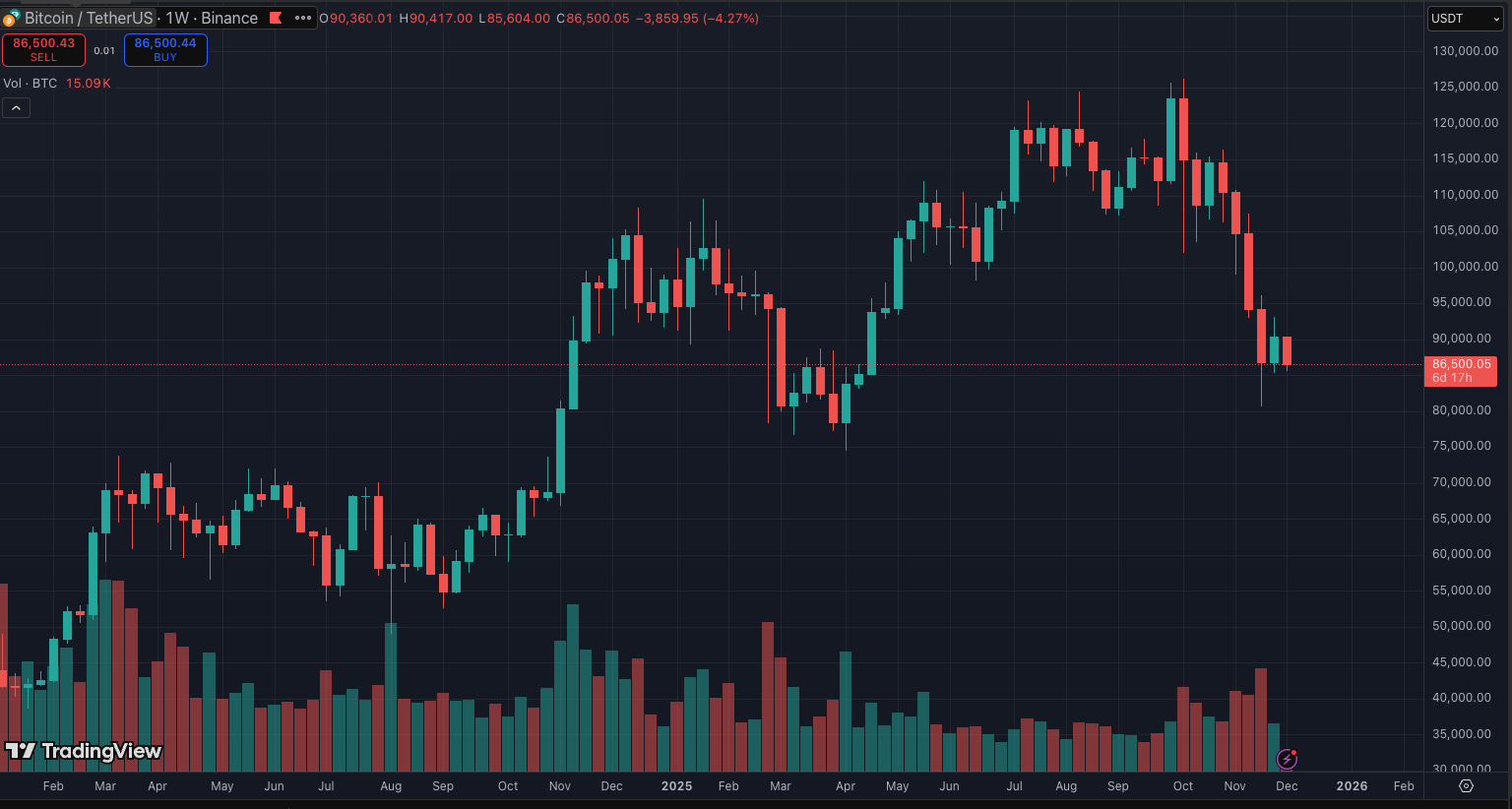
The sell-off was triggered by a cocktail of macro and technical pressure: concerns over interest-rate trajectories from the Federal Reserve, a renewed slump in risk sentiment broadly across equities, and thinning liquidity in crypto order books. According to a note by Deutsche Bank strategists, this drop may reflect a re-test of faith — what they dub the “Tinkerbell effect,” underlining how much BTC’s value still depends on collective belief.
The sell-off intensified shortly after Yearn Finance posted an alert on X, reporting an “incident” in its yETH liquidity pool. The team emphasized that its V2 and V3 vaults were untouched, but the damage inside the pool was already spreading through the market.

According to early on-chain analysis circulating on social platforms, the attacker appears to have exploited a weakness that allowed them to mint an abnormal amount of yETH in a single transaction, effectively draining the pool. Roughly 1,000 ETH (about $3 million) was siphoned out and funneled through mixing services.
For context, yETH is a community-managed liquidity pool token composed of several Ethereum liquid-staking derivatives (LSTs) — meaning an attack on its minting logic directly impacts the entire pool. The sudden loss of funds, plus fears of broader exposure, amplified market panic during an already fragile moment for crypto.
Meanwhile, the Coinbase Premium Index flipped positive again — a sign that U.S. spot demand may be stabilizing. This often occurs when domestic buyers quietly accumulate during high-fear environments.

Macro nerves remain elevated, especially after Robert Kiyosaki warned that the yen carry trade unwind could spark a global liquidity shock. But others argue that the yen unwind could benefit BTC in the medium term by accelerating risk-asset rotation and boosting demand for decentralized hedges.

Bottom line?
Bitcoin is moving through a macro-sensitive correction, not a structural breakdown. The next major catalyst: whether the Fed signals a December rate cut or sticks to tight policy.
🏦 Nasdaq Pushes for SEC Approval of Tokenized Stocks
The U.S. exchange Nasdaq is moving aggressively to bring “tokenized” securities trading to mainstream America: in early September it filed a proposal with U.S. Securities and Exchange Commission (SEC) that — according to coindesk if approved — would allow listed stocks and exchange-traded products (ETPs) to trade either in traditional form or as blockchain-based tokens.

Under the plan, tokenized shares would carry the same CUSIP codes and entitlements (voting, dividends, etc.) as regular shares — and settle through the same clearing infrastructure, meaning minimal disruption to how the exchange operates.
For investors, that could mean faster settlement, more flexible custody, and potentially 24/7 trading windows without sacrificing regulatory protections. As crypto-native and traditional finance worlds continue to converge, Nasdaq’s push may become a turning point in bridging both ecosystems. First SEC approvals could come by 2026, which would mark one of the biggest steps yet for crypto’s integration into legacy markets.
📊Tether / S&P Downgrade & Crypto Market Tension
The world’s largest stablecoin, USDT, just got downgraded. On November 26, S&P Global cut its stability rating for USDT to “5 (weak)” — the lowest score on the agency’s 1–5 stablecoin risk scale, down from “4 (constrained).” announced Reuters.
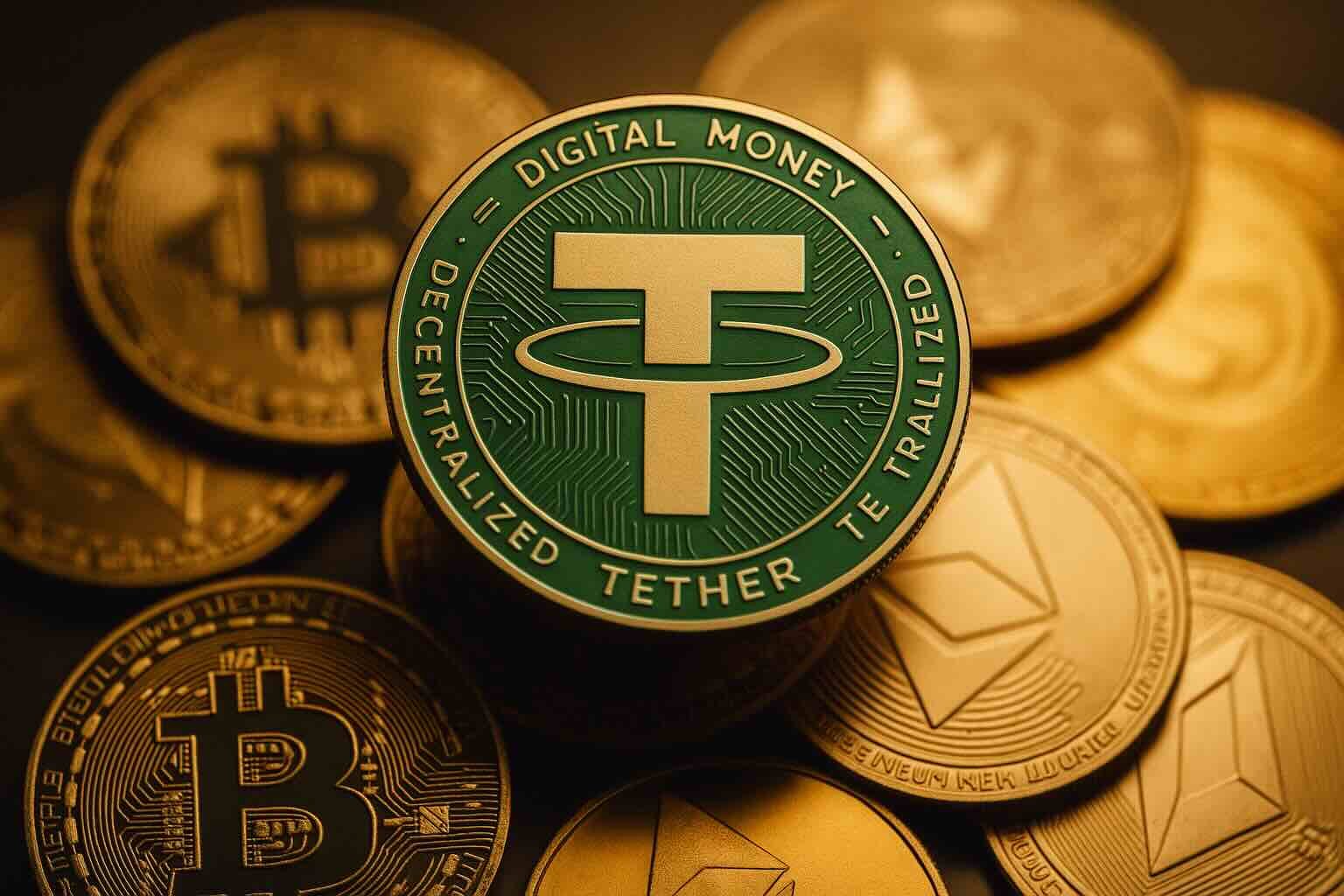
The downgrade stems from a growing allocation of high-risk assets in USDT’s reserves, including Bitcoin, gold, corporate bonds, secured loans and other volatile holdings — all flagged as carrying material market, credit and foreign-exchange risk. S&P also criticized Tether’s lack of transparency about reserve-holding counterparties, custodians, and asset valuation.
Notably, even with the downgrade, S&P acknowledged that Tether has so far maintained price-stability through past market turbulence. Tether insists the rating review relies on outdated frameworks, and reaffirmed that USDT remains fully backed — but the move has nonetheless stirred fresh concern among stablecoin investors and institutional players.
With USDT underpinning ~$184 billion in crypto-market liquidity, the downgrade could rattle confidence, accelerate redemptions, and prompt capital reallocation across major stablecoins — especially in a volatile macro environment.
Meme of the day

Follow @byte_and_block for bite-sized insights, or subscribe to the newsletter for deeper dives.
Subscribe to our newsletter!